

Plastics are lightweight, easy to process, and durable, making them widely used in home appliances, consumer goods, packaging, building materials, automotive interiors, electronics, electrical products, and medical and hygiene products.
During prolonged use, some plastic products frequently come into contact with people, moisture, dust, or food residues. Suitable temperature and humidity conditions can facilitate the attachment and proliferation of bacteria and other microorganisms on product surfaces.
Surface hygiene is therefore a particular concern for products that are reused frequently, difficult to clean, or handled by multiple users.
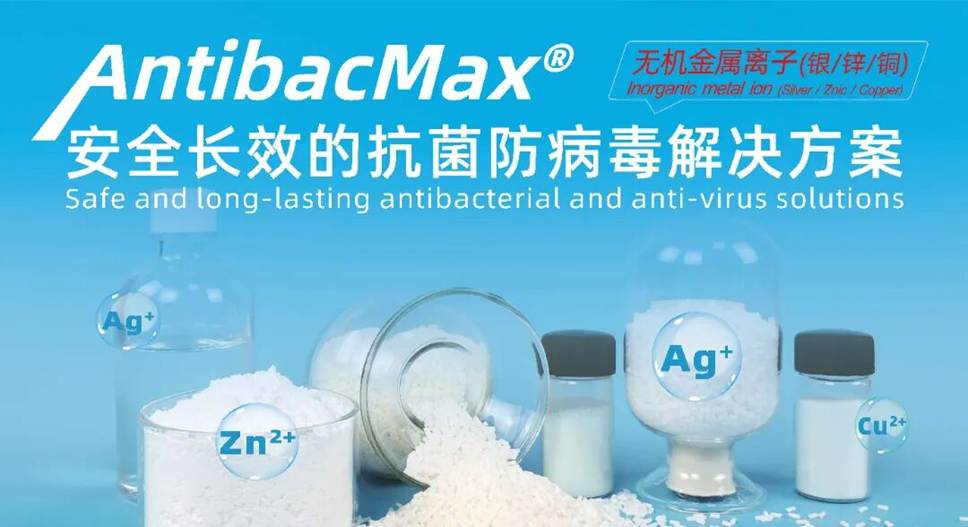
Incorporating antibacterial functionality into plastic materials can continuously inhibit bacterial growth throughout the normal service life of a product, adding practical hygienic protection.
01.
Why Do Plastic Products Need Antibacterial Functionality?
Plastic products are used in a wide variety of settings, each presenting different microbial contamination concerns.
![抗菌马桶-[转换]-01](https://www.langyikangjun.com/resource/images/70ab8780370c4677ba86b87b99117221_2.jpg)
Kitchen and Bathroom Products
Frequently exposed to moisture,
these products can readily harbor bacteria in damp environments.
Plastic Components for Home Appliances
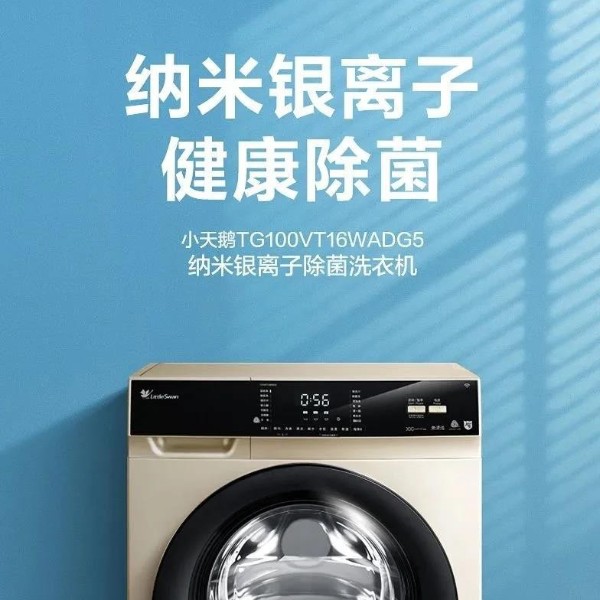
Components in refrigerators, washing machines, air conditioners, and other appliances
often have relatively enclosed structures,
making routine cleaning difficult.


Electronic and Electrical Products
Products such as keyboards, mice, and remote controls
come into frequent contact with hands
and readily accumulate sweat and grime.
Children’s and Pet Products
Used frequently,
some products may also be
shared by multiple users or handled repeatedly.

Routine cleaning can reduce surface stains and some microorganisms, but its effects are often temporary.
Adding antibacterial agents to plastic materials helps improve surface hygiene at the material level.
Together with routine cleaning and maintenance, antibacterial functionality provides plastic products with continuous supplementary protection.
Plastics are commonly processed through extrusion, injection molding, blow molding, hot pressing, or spinning. To implement an effective antibacterial solution, it is necessary to consider not only antibacterial performance, but also processing temperature, material compatibility, dispersion, product color, transparency, and the original physical properties of the material.
Some plastics require high processing temperatures. If the antibacterial component lacks sufficient thermal stability, it may decompose during processing, reducing antibacterial performance and potentially causing discoloration or fluctuations in product properties.
As a functional additive, an antibacterial agent should have minimal impact on the mechanical and chemical properties or processing flow of the plastic, allowing the finished product to gain antibacterial functionality while retaining its original performance.
The uniformity of an antibacterial agent within the plastic matrix directly affects antibacterial performance across different areas of the product. Good dispersion and compatibility also help reduce particle agglomeration and surface defects.
Light-colored, transparent, and translucent plastics are more sensitive to the visual effects of antibacterial agents. Product selection should therefore account for changes in color, haze, and transparency after high-temperature processing, so that antibacterial functionality does not compromise the product’s original appearance.
Safety requirements vary by application. Plastic products that frequently contact the human body or are used for children’s products or food-contact applications require application-specific regulatory assessments and testing. The stability of antibacterial performance throughout the product’s service life should also be considered.
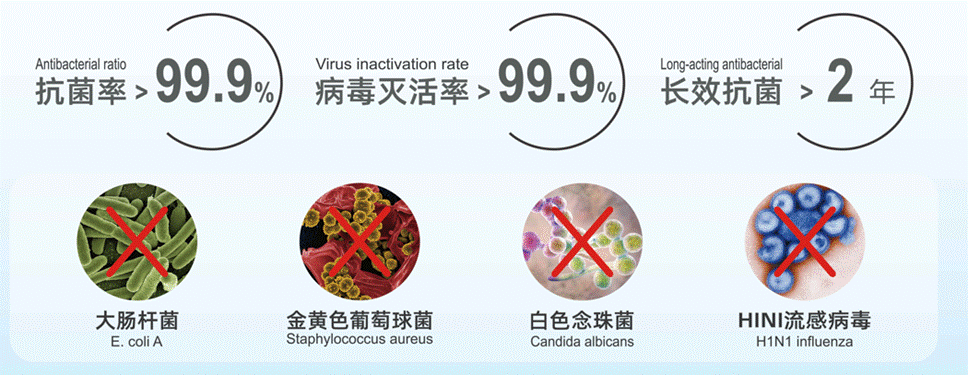
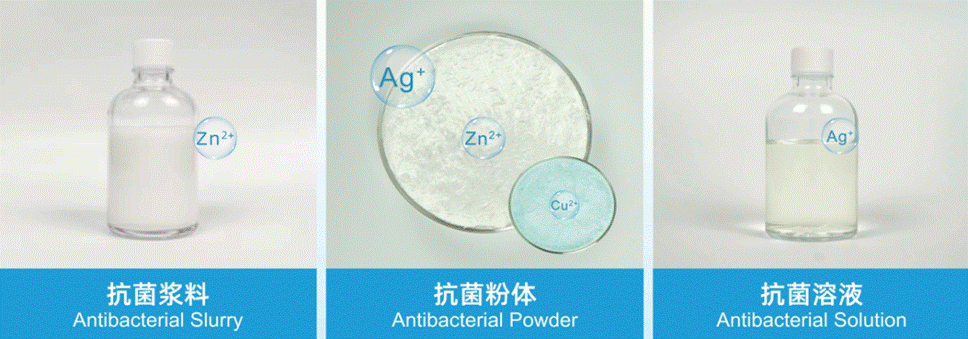
To address the processing characteristics of plastic materials and the functional requirements of different products, Langyi Advanced Materials has developed the AntibacMax® series of inorganic metal-ion antibacterial agents and antibacterial masterbatches for use in a variety of plastic processing systems.
Inorganic metal-ion antibacterial agents use silver, zinc, copper, and other metal ions as active antibacterial components. They inhibit microbial growth and reproduction by disrupting normal physiological activity.
Compared with some antibacterial materials that have limited heat resistance, inorganic antibacterial agents offer better thermal and chemical stability, making them more suitable for high-temperature plastic processing. Depending on the substrate, processing method, and appearance requirements of the finished product, customers can select powder or antibacterial masterbatch formats.
1 | Plastic Components for Home Appliances
Suitable for refrigerator liners and accessories, washing-machine plastic components, air-conditioner parts, and small-appliance housings, helping improve surface hygiene in damp, enclosed, or hard-to-clean areas.
2 | Consumer and Household Products
Applicable to storage products, waste bins, cleaning tools, kitchenware, bathroom products, and other frequently used plastic items to add antibacterial functionality.
3 | Electronic and Electrical Products
Keyboards, mice, remote controls, switch panels, and other frequently touched plastic components can be modified with antibacterial materials to reduce bacterial growth on their surfaces.
4 | Packaging Materials
Suitable for bottles, jars, containers, films, and other packaging components made from PP, PE, PET, and similar materials. Transparent packaging, food-contact packaging, and other specialized applications require dedicated evaluation of transparency, migration safety, and applicable regulatory requirements.
5 | Automotive and Public Facilities
Antibacterial materials can improve the hygienic properties of frequently touched components such as automotive interior parts, public seating, handrails, and control panels.
6 | Children’s and Pet Products
Toys, pet feeding utensils, pet toys, and other frequently handled plastic products generally require high levels of material safety, durability, and antibacterial stability. Solutions should be tailored to their specific applications.

Antibacterial rice box (PP)
Antibacterial
water tank (AS)
Antibacterial
mouse shell (ABS)
Antibacterial
bicycle handlebars (TPE)
Antibacterial
strap (silicone)
Antibacterial
ventilation duct (PE)
As consumers pay increasing attention to product hygiene and user experience, antibacterial functionality is expanding from a limited number of specialized fields into a broader range of plastic applications, including home appliances, packaging, consumer goods, electronics, electrical products, and public facilities.
The AntibacMax® antibacterial-agent and antibacterial-masterbatch series from Langyi Advanced Materials provides targeted antibacterial material solutions based on different plastic substrates, processing methods, and end-use requirements.
These solutions add durable and stable antibacterial functionality to plastic products while maintaining processing performance and product appearance.

Need Guidance on Product Selection, Addition Methods, or Testing?
Contact Langyi Advanced Materials for an antibacterial solution tailored to your product.